Shopping for drysuits under 100 can be tricky: the term often covers everything from waterproof paddling shells to neoprene suits and semi-dry options. That makes fit, seam construction, and intended use more important than marketing claims.
Below, we’ve narrowed the field to 10 budget-minded picks for cold-water recreation, helping you compare the right style for kayaking, boating, surfing, and general wet-weather protection.
Best 10 Drysuits Under 100 Picks for 2026
Lightweight Dive Skin

- 1mm nylon-spandex construction
- Quick-dry, stretchy, lightweight fit
- Good for sun and scrape protection
Best For: Warm-water water sports and layering under a wetsuit
Offshore Sailing Drysuit
Waterproof Breathable Pro Shell

- 3-layer waterproof breathable fabric
- Taped seams and Aquaseal zipper
- Built for sailing in rough conditions
Best For: Sailing where waterproof protection is the priority
Cold-Water Semi-Dry Suit
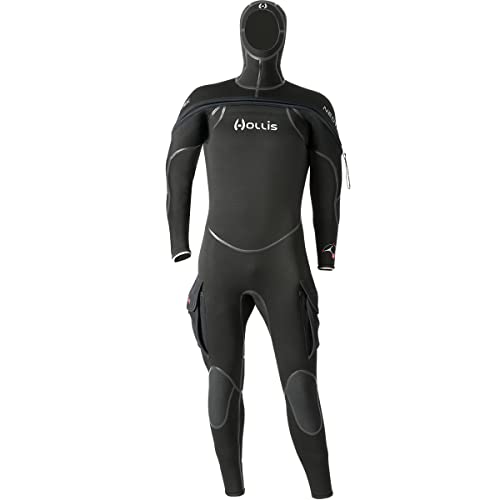
- 8/7/6mm compression-resistant neoprene
- Internal dams help reduce flushing
- Hooded design for cold-water diving
Best For: Scuba divers wanting warmth without a full drysuit
Cold Water Kayak Dry Suit

- 3-layer nylon with taped seams
- Latex gaskets and fabric socks
- Made for kayaking and paddling
Best For: Cold-water paddlers needing a waterproof shell
Budget-Friendly Neoprene Option

- 3mm Fluid Flex foam neoprene
- Smooth skin dry seals and Fluid Seam Weld
- Loose upper fit with performance lower fit
Best For: Boating users who want a sealed neoprene full-body suit
Lightweight Shell Style
Mens Lightweight Waterproof Drysuit

- 3-layer waterproof breathable nylon shell
- Latex wrist and neck seals with front zipper
- Integrated socks and utility pockets
Best For: Paddling and cold-water boating in a lightweight shell
Warmth-First Neoprene Pick
Mens 5mm Ultra-Stretch Wetsuit

- 5/4mm neoprene for cold water
- SuperStretch material for flexibility
- GBS seams with taped interior details
Best For: Cold-water surfing and diving when warmth matters most
Compact Dry Cag Combo
Flexible Waterproof Jacket and Trouser Set

- 3-layer nylon for dryness, breathability, and toughness
- Latex neck and wrist gaskets plus neoprene waist seal
- Made to work with a sprayskirt for cockpit protection
Best For: Adult paddlers needing a modular dry top and trouser combo
Front Zip Dry Suit
Reinforced Cold-Water One-Piece

- Three-layer breathable fabric with cold-water insulation
- Latex gaskets, neoprene accents, and waterproof socks
- Reinforced knees and seat for added durability
Best For: Men needing easy-entry cold-water protection with reinforced wear zones
Blue Dry Cag Combo
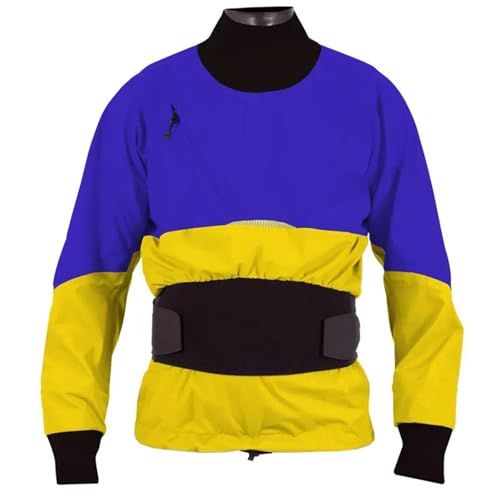
- 3-layer nylon build for dryness, breathability, and toughness
- Latex gaskets plus reinforced knees for paddling wear
- Chest-entry waterproof zipper for easier on and off
Best For: Adult paddlers wanting a modular cold-water spray jacket setup
Lightweight Dive Skin – 1mm Full-Body UV Swim Suit
If you want drysuits under 100 that lean more toward sun and scrape protection than true insulation, this DEHAI dive skin is a practical pick. The 1mm thin, quick-dry stretch fabric is built for warm-water use, and it also works as a layer under a wetsuit when the water turns cooler.
Best For: Warm-water diving, snorkeling, paddling, and other sports where you want lightweight coverage and UPF-style protection.
Pros:
- 1mm nylon-spandex fabric is lightweight and not bulky
- Long-sleeve full-body design helps reduce sun exposure and skin irritation
- Front zipper has inner fabric backing for more comfortable on-and-off
- Made for multiple water sports, from scuba to kayaking and SUP
Cons:
- Not a true waterproof drysuit
- Thin material offers limited thermal insulation
- Best suited to warmer conditions or layering, not cold-water protection
Overall, this is a budget-friendly option if your goal is coverage, flexibility, and easy movement rather than full drysuit performance. It makes the most sense for summer use or as a protective base layer.
Offshore Sailing Drysuit – Waterproof Breathable Pro Shell
For buyers comparing drysuits under 100, this men’s pro drysuit stands out as the most clearly waterproof option in the group. It uses a 3-layer waterproof breathable fabric with PFAS-free water repellency, taped seams, and a YKK Aquaseal front zipper to help keep spray and immersion out.
Best For: Sailing and wet-deck conditions where waterproof protection, wind resistance, and breathability matter most.
Pros:
- 3-layer waterproof breathable fabric with windproof protection
- Taped seams and Aquaseal front zipper add strong water resistance
- Glideskin neck and cuff seals are marked for custom trimming
- Reinforced knees, seat, and fabric socks improve durability
Cons:
- Designed specifically around sailing use, not every water sport
- Size and trim details may require careful fitting
- At 3 pounds, it is not the lightest option here
This is the strongest full drysuit-style choice in the roundup for staying dry in rough weather. If you need a serious shell for offshore or inshore sailing, it offers the most complete feature set.
Cold-Water Semi-Dry Suit – Hooded 8/7/6mm Neoprene
If you’re shopping drysuits under 100 for colder dives, this hooded semi-dry suit is aimed at thermal protection rather than full waterproof isolation. The 8/7/6mm compression-resistant neoprene and internal dams at the neck, wrists, and ankles are built to slow water exchange.
Best For: Scuba divers who want extra warmth in cold water without moving to a full drysuit.
Pros:
- Thick 8/7/6mm neoprene supports cold-water use
- ThermaSkin inner liner adds comfort inside the suit
- Internal dams at neck, wrist, and ankle help reduce flushing
- Hooded design adds extra coverage for scuba diving
Cons:
- It is a semi-dry suit, not a fully waterproof drysuit
- Heavier neoprene is less flexible than thin skins
- Made specifically for scuba diving, so it is less versatile
This is a better fit for divers who prioritize warmth and sealing over total dryness. It sits between a wetsuit and a drysuit, making it a useful cold-water compromise.
Cold Water Kayak Dry Suit – Breathable Nylon Shell
Among drysuits under 100, this kayak-focused option is designed for real waterproof protection in cold conditions. It uses a 3-layer nylon shell with DWR tricot backing and fully taped seams, plus latex neck and wrist gaskets to help block leaks.
Best For: Kayaking, rafting, paddling, and other cold-water sports where a relaxed, waterproof shell is useful.
Pros:
- 3-layer nylon construction with fully taped seams
- Latex neck and wrist gaskets for stronger sealing
- Includes removable hood, relief zipper, and fabric socks
- Two splashproof thigh pockets and abrasion pads add utility
Cons:
- Relaxed fit may feel bulkier than a streamlined suit
- Latex gaskets can be less forgiving than softer seals
- Clearly optimized for paddling, not all water activities
For cold-water paddlers who want practical waterproofing and comfort, this is a well-rounded choice. The extra features make it feel purpose-built rather than stripped down.
Budget-Friendly Neoprene Option – O'Neill Fluid 3mm Drysuit
If you want drysuits under 100, this O’Neill option is really more of a neoprene wetsuit-style suit than a true shell drysuit, but it still makes sense for warm-layered water use where fit and seal matter. The 3mm Fluid Flex foam neoprene, smooth skin dry seals, and 100% waterproof Fluid Seam Weld are the standout details to look at.
Best For: Boating and water users who want a sealed neoprene full-body suit with a close fit in the lower body.
Pros:
- 3mm Fluid Flex foam neoprene for full-body coverage
- Smooth skin dry seals and Fluid Seam Weld for waterproofing
- Loose upper fit with performance lower fit for easier movement
- Long-sleeve, back-zip full suit design
Cons:
- It is a neoprene wetsuit-style suit, not a lightweight shell drysuit
- At 3mm, it is not the thinnest or most packable option
- Only one listed size range in the supplied details
For buyers comparing drysuits under 100, this is a practical pick if you care more about neoprene warmth and sealing than a technical shell construction. It is best treated as a budget water-sport suit with dry-seal features rather than a dedicated expedition drysuit.
Lightweight Shell Style – Mens Lightweight Waterproof Drysuit
For shoppers searching drysuits under 100, this lightweight men’s suit is the closest match to a true shell-style drysuit in the group. It uses a 3-layer waterproof breathable nylon shell with a membrane finish, plus latex wrist and neck seals, a waterproof front zipper, and integrated socks to help keep water out.
Best For: Paddling, kayaking, rafting, canoeing, sailing, and other cold-water trips where a lightweight waterproof shell is useful.
Pros:
- 3-layer waterproof breathable nylon shell with membrane finish
- Trimmable latex wrist and neck seals for a more customized fit
- Waterproof front-entry zipper for easier on/off
- Integrated three-ply socks and multiple pockets for added utility
Cons:
- Relaxed fit may not feel as streamlined as performance-cut suits
- Lightweight fabric may not add much insulation on its own
- Care instructions note machine wash, but dry suit users may prefer gentler handling
This is the strongest drysuit-style choice here if your priority is keeping water out with a breathable shell rather than relying on neoprene thickness. The sealing features and front zipper make it especially practical for active paddle sports.
Warmth-First Neoprene Pick – Mens 5mm Ultra-Stretch Wetsuit
If your search for drysuits under 100 includes cold-water coverage and you can accept a wetsuit instead of a shell drysuit, this 5mm full suit is the warmth-focused option. It uses ultra-stretch neoprene, GBS seams, and a back zipper to balance insulation and flexibility for surf and dive sessions.
Best For: Cold-water surfing, diving, and snorkeling when warmth is more important than true drysuit construction.
Pros:
- 5/4mm thickness for added warmth in colder water
- SuperStretch neoprene for better range of motion
- GBS seams with taped interior details to reduce water entry
- Full-body, long-sleeve design with back zipper
Cons:
- It is a wetsuit, not a waterproof drysuit
- Thicker material may feel less lightweight than shell options
- Best suited to surf/diving use rather than paddle-specific dry wear
This suit makes sense when warmth is your main goal and you want a flexible full-body neoprene layer. It is not the most accurate drysuit match, but it is a strong cold-water alternative within a tight budget search.
Compact Dry Cag Combo – Flexible Waterproof Jacket and Trouser Set
If you’re comparing drysuits under 100 for paddling or boating, this dry cag and trouser combo is built around basic dry protection and fit flexibility. The 3-layer nylon fabric, latex neck and wrist gaskets, and dual-adjust neoprene waist are the main features to look at if you want a practical barrier against spray and cold water without overcomplicating the setup.
Best For: Adult paddlers who want a separate dry top and trouser combo for canoeing, boating, or touring.
Pros:
- 3-layer nylon fabric is designed for dryness, breathability, and toughness.
- Latex neck and wrist gaskets help keep water out.
- Dual-adjust neoprene waist and 35 cm nylon tunnel are made to pair with a sprayskirt.
- Thermal protection is included for colder water conditions.
Cons:
- Separate-cag design may not suit buyers looking for a one-piece suit.
- Size information is limited to Small in the supplied details.
- Machine-wash care should still be checked against the rest of your gear setup.
This is a straightforward option if you want modular dry protection with a focus on cockpit sealing and comfort. It looks best for paddlers who already use a sprayskirt and want a simple, functional layer system.
Front Zip Dry Suit – Reinforced Cold-Water One-Piece
When shopping for drysuits under 100, this front-zip one-piece stands out for its practical cold-water feature set. It combines a three-layer breathable fabric, latex seals, integrated waterproof socks, and reinforced knees and seat, which makes it a strong value pick for kayaking, sailing, paddling, or rafting.
Best For: Men who want an easy-entry dry suit for cold-water sports with extra durability at high-wear areas.
Pros:
- Front zipper makes self-entry easier.
- Latex neck and wrist gaskets plus neoprene collar and cuffs improve leak protection.
- Integrated waterproof socks help keep feet warm and dry.
- Reinforced knees and seat add abrasion resistance for demanding use.
Cons:
- Hand wash only, so care is less convenient than machine-wash options.
- Regular fit may not feel as tailored as more athletic cuts.
- Only one color and size detail were provided in the notes.
For cold-water use, this suit emphasizes sealing and durability more than extras. If you want dependable waterproofing and easier entry in a basic technical package, it fits that goal well.
Blue Dry Cag Combo – Breathable Spray Jacket Set
Among drysuits under 100, this blue dry cag combo is focused on the core features paddlers need: waterproof sealing, breathability, and cockpit compatibility. The listed 3-layer nylon build, latex neck and wrist gaskets, and reinforced kayak-friendly design make it a practical choice for cold-water kayaking, sailing, or boating.
Best For: Adult paddlers who want a simple dry top and trouser setup for cold-water sessions.
Pros:
- 3-layer nylon construction is described as dry, breathable, and tough.
- Latex neck and wrist gaskets help block water entry.
- Reinforced knees and thickened outer shell are intended for cockpit friction.
- Waterproof zipper across the chest is designed for easier entry and exit.
Cons:
- Separate dry cag and trouser design may require more setup than a one-piece suit.
- Size information in the notes is limited to Medium.
- Some of the supplied copy is general explanatory text rather than product-specific details.
This model makes sense if you want a functional dry-layer system with emphasis on movement and protection in the cockpit. It looks best for paddlers who value a breathable, modular setup over a full one-piece drysuit.
How We Picked These Drysuits Under 100
We focused on value, protection, and versatility rather than hype. The best budget options in this category should match your activity, offer dependable coverage, and avoid unnecessary features that raise cost without improving real-world use. We also considered closure style, mobility, material type, and whether the suit is better suited to splashing, spray, or full-water immersion.
Quick Comparison: What You’re Really Getting
In Drysuits Under 100, you’ll usually see a mix of lightweight waterproof suits, neoprene-based options, semi-dry designs, and separate dry-cag-and-trouser combinations. Each has a different trade-off. Waterproof shells prioritize keeping spray out, while neoprene suits add insulation but can be less “dry” in practice. Separate tops and bottoms can offer better flexibility and easier layering for paddling and touring.
Key Buying Factors for Drysuits Under 100
Material and Water Protection
Look closely at whether the suit is fully waterproof, water-resistant, or neoprene-based. For kayak spray, boating, and wind exposure, a waterproof shell can be enough. For colder water, neoprene or a semi-dry design may feel warmer, though it may not seal out water as completely.
Fit and Mobility
A good fit matters more than almost anything else. Too loose and water can pool or enter at openings; too tight and you’ll lose range of motion. If you plan to paddle, row, or cast a line, choose a cut that allows shoulder and arm movement without feeling restrictive.
Seams, Zippers, and Seals
Reinforced seams, front zips, and secure cuffs can make a big difference in comfort and usability. For Drysuits Under 100, small construction details often separate a decent option from a frustrating one. If possible, prioritize designs with reinforced stress points at the knees, seat, or elbows.
Layering and Temperature Range
These suits are often best viewed as part of a layering system. In cold conditions, plan on thermal base layers underneath. If you’ll be active, avoid over-insulating at the suit level and let your layers handle warmth management.
Who Should Buy Which Drysuits Under 100?
Choose a lightweight waterproof or spray-proof style if you mainly paddle in mild to cool conditions and want wind and splash protection. Go with neoprene or semi-dry construction if you spend more time in colder water and want extra thermal help. If you need flexibility for touring, sailing, or mixed-use paddling, a two-piece dry cag and trouser setup may be the most practical choice among Drysuits Under 100.
For the best results, match the suit to your activity first, then confirm the fit and feature set second. That approach will usually get you far better performance than chasing the most technical-sounding description.