Shopping for wetsuits under 300 means balancing warmth, stretch, and durability without paying for features you may not need. The good news: today’s mid-priced wetsuits can handle everything from cool-water surf sessions to snorkeling and paddle sports.
This roundup focuses on 10 solid options that offer the best mix of fit, insulation, and versatility for the money, so you can choose a suit that matches your water temperature and activity.
Best 10 Wetsuits Under 300 Picks for 2026
Budget Cold-Water Full Suit

- 3mm neoprene with 2mm sleeves
- Back zip with easy pull rope
- UV 50+ and knee-pad durability
Best For: Budget-friendly warmth for mixed water sports
Cold-Water Front-Zip Pick

- 5mm neoprene body for colder water
- Front zip makes solo entry easier
- Stretch panels improve paddling mobility
Best For: Cold-water sessions where warmth is the priority
Flexible Surf Warmth Choice

- 4/3mm build for colder water
- SuperStretch neoprene boosts movement
- Chest zip and GBS seams limit flushing
Best For: Surfers wanting warmth with better flexibility
Versatile Front-Zip Starter

- 3/2mm neoprene for balanced comfort
- Front zipper with upgraded puller
- Works across many water sports
Best For: All-around use across multiple water activities
Budget Warmth Pick
Seaskin 3mm Front-Zip Shorty Wetsuit
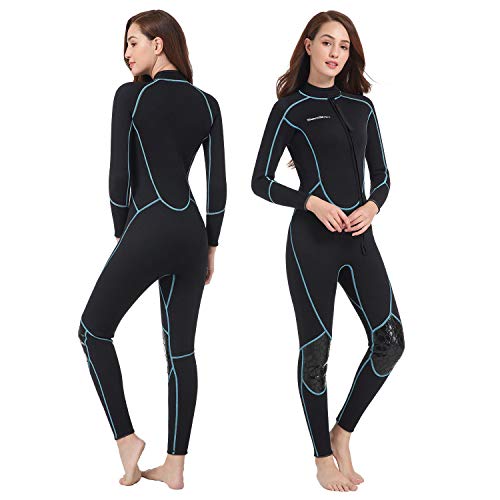
- 3mm neoprene blend aims to balance warmth and stretch
- Front YKK zipper simplifies entry and exit
- Flat-lock seams and water-sport use add everyday value
Best For: Snorkelers and casual water-sport users who want an easy-entry shorty
Cold-Water Protection Pick

- 5mm SCR neoprene body focuses on warmth and insulation
- 4mm stretch panels and seamless design support movement
- UPF 50+ protection and knee pads add coverage
Best For: Cold-water surfers, divers, and paddlers needing full-body protection
Roomier Shorty Pick
Seaskin 3mm Men's Shorty Wetsuit
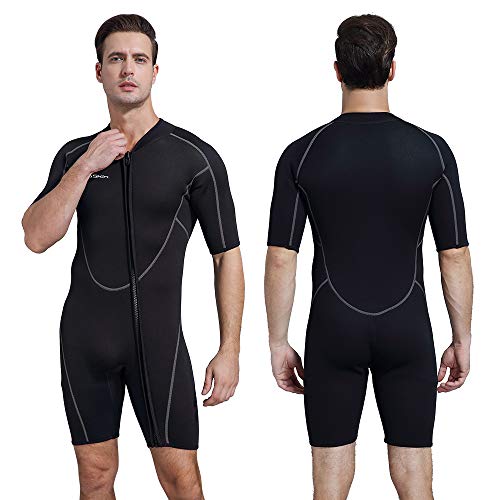
- 3mm neoprene blend provides basic warmth and stretch
- Front zip and short sleeves keep it easy to wear
- XXL sizing makes it a fit option for larger users
Best For: Men needing a larger shorty wetsuit for warm-water water sports
Budget-Friendly Warmth
Hevto 3/2mm Back Zip Full Suit

- 3/2mm zoned neoprene for warmth and flexibility
- Back zipper with pull cord and retention tab
- Flatlock seams and reinforced knees
Best For: Cool-water surfers and paddlers who want an affordable full suit
Entry-Level Value Pick
O'Neill Reactor-2 3:2mm Back Zip

- Ultra-stretch neoprene for flexibility
- Backzip system for easier on and off
- Seamless paddle zones and wind-resistant smoothskin
Best For: Beginners needing a flexible, value-driven suit for mixed water activities
Cold-Water Performance
Hevto 5/4/3/2mm Cold Water Suit

- Thicker 5/4/3/2mm build for cold water
- Sealed, glued, and blind-stitched seams
- Back zipper with flap plus reinforced knees
Best For: Cold-water sessions where warmth and water resistance matter most
Budget Cold-Water Full Suit – Lemorecn 3mm Full Wetsuit
If you want wetsuits under 300 that cover surfing, snorkeling, diving, and kayaking, this Lemorecn full suit is built around simple warmth and everyday durability. Its 3mm neoprene body, 2mm sleeves, and back zipper make it a practical option for cooler sessions without adding too much bulk.
Best For: Recreational water users who want an affordable, versatile full suit for mild-to-cool conditions.
Pros:
- 3mm neoprene with 3mm chest panel helps retain heat in water 55°F and above
- Flatlock seams and anti-abrasion knee pads add comfort and durability
- Back zipper with long pull rope makes entry and exit easier
- UV 50+ protection adds useful sun coverage for surface water sports
Cons:
- Back-zip design is less convenient than front-zip suits for some users
- 3mm thickness is better for mild to moderate cold, not the coldest water
This is a straightforward, travel-friendly full wetsuit that focuses on warmth, protection, and easy use. It makes sense if you want a budget-minded suit for mixed water activities rather than a highly specialized cold-water build.
Cold-Water Front-Zip Pick – Owntop 5mm Full Body Wetsuit
Among wetsuits under 300, this Owntop 5mm suit is aimed at colder sessions where warmth matters more than minimal thickness. The 5mm neoprene body, GBS seams, and front-zip entry make it a strong choice for surfers, snorkelers, paddlers, and divers who need extra insulation and easier solo changing.
Best For: Water athletes who need a warmer, full-body wetsuit for cold conditions and frequent use.
Pros:
- 5mm neoprene body with GBS seams helps reduce heat loss and water flushing
- Front diagonal zipper makes the suit easier to put on by yourself
- Stretch panels at the shoulders, underarms, calves, and crotch improve mobility
- Reinforced stress points and abrasion-resistant knee panels support repeated use
Cons:
- 5mm thickness can feel warmer and less minimal than thinner suits
- Designed for cold water, so it may be more suit than needed in mild conditions
This is a good pick if your priority is staying warmer longer without giving up too much movement. The front-zip design and flexibility zones make it easier to live with than many thicker wetsuits.
Flexible Surf Warmth Choice – Lemorecn 4/3mm Chest Zip Suit
Lemorecn Men’s Surfing Wetsuit Super Stretch Neoprene 4/3mm Chest Zip Full Wetsuit for Men(MC0401-L)
Check Price On AmazonIf you are comparing wetsuits under 300 for surfing in colder water, this Lemorecn 4/3mm chest-zip suit is built to balance warmth and flexibility. The SuperStretch neoprene, glued-and-blindstitched seams, and chest entry are geared toward longer sessions where movement and reduced flushing both matter.
Best For: Surfers who want a warmer suit with a flexible fit for colder sessions.
Pros:
- 4/3mm thickness is designed for water as cold as 51°F
- SuperStretch neoprene improves range of motion and reduces arm fatigue
- Chest zip helps keep cold water from seeping down the back
- GBS seams and taped construction help limit water entry
Cons:
- Focused mainly on surfing, so it is less multi-sport oriented than some options
- More warmth-focused than a lighter suit, so it may feel warm in milder water
This suit is a strong middle ground if you want cold-water protection without a stiff feel. For surfers who value flexibility and a closer seal, it offers a well-rounded setup.
Versatile Front-Zip Starter – Hevto 3/2mm Neoprene Wetsuit
This Hevto 3/2mm suit is a versatile option if you want wetsuits under 300 for a wide range of watersports. Its front zipper, insulating neoprene build, and full-body coverage are designed to keep you warmer and more comfortable in cold temperatures or longer sessions.
Best For: Beginners and all-around water users who want one suit for surfing, swimming, diving, and more.
Pros:
- 3/2mm neoprene offers a balance of warmth and flexibility
- Front zipper and upgraded puller make entry and exit easier
- Useful for surfing, snorkeling, diving, kayaking, jet skiing, paddleboarding, and swimming
- Added buoyancy can help make swimming and other water sports more efficient
Cons:
- 3mm thickness is less insulating than thicker cold-water suits
- Temperature rating is listed at 90°F, so it may not be the warmest option for harsh cold
This is the most flexible all-rounder in the group if you want broad activity coverage and easy on-off convenience. It is a practical choice when you need one suit to handle multiple water sports rather than a specialized cold-water build.
Budget Warmth Pick – Seaskin 3mm Front-Zip Shorty Wetsuit
If you want wetsuits under 300 that cover casual diving, snorkeling, and other warm-water sessions, this Seaskin shorty is a straightforward option. Its 3mm neoprene build and front zip design focus on basic insulation, easy entry, and a snug fit that helps hold warmth in the water.
Best For: Snorkelers, casual divers, and water-sport users who want a simple 3mm shorty with front-zip convenience.
Pros:
- 3mm neoprene with 10% nylon for stretch and heat insulation
- Heavy-duty YKK front zipper makes putting it on and taking it off easier
- Flat-lock stitched seams add durability and comfort
- Designed for diving, snorkeling, canoeing, kayaking, and swimming
Cons:
- Shorty design offers less coverage than a full suit
- Fit is meant to be snug, so sizing needs careful attention
- Hand wash only, with flat drying required
This is a practical entry-level pick if you want a lighter suit for moderate conditions and value easy on/off access. It is best suited to users who prefer a flexible shorty rather than maximum thermal coverage.
Cold-Water Protection Pick – Lansru 5/4mm SCR Full Wetsuit
For wetsuits under 300 that prioritize warmth, this Lansru full suit stands out with a 5mm SCR neoprene body and 4mm high-elasticity panels at the neck and limbs. It is built for colder sessions where insulation, protection, and a secure fit matter more than a lightweight feel.
Best For: Surfers, divers, and paddlers who want a thicker full-body wetsuit with added insulation and sun protection.
Pros:
- 5mm SCR neoprene body is designed for stronger insulation and warmth
- 4mm high-elasticity CR neoprene at neck and limbs supports movement
- UPF 50+ protection adds sun coverage for longer outings
- Thickened knee pads help protect against injury and abrasion
Cons:
- Thicker construction may feel snug when first worn
- Full suit may be more than needed for warmer water
- Premium warmth features can mean more bulk than a shorty
This model is the strongest all-around insulation choice in the group and adds useful protection for surf and coastal use. If you expect cooler water or want full-body coverage, it is the most purpose-built option here.
Roomier Shorty Pick – Seaskin 3mm Men's Shorty Wetsuit
If you are comparing wetsuits under 300 and want a shorty with a roomier fit, this Seaskin men’s model is a simple, flexible choice. It uses the same 3mm neoprene-and-nylon construction as a warm-water short suit, with a front zip and water-sports focus for easy everyday use.
Best For: Men who want a 3mm shorty for water sports and prefer the larger XXL fit listed here.
Pros:
- 3mm neoprene and nylon construction offers stretch and insulation
- Front zipper makes dressing and removal easier
- Short sleeve shorty design suits warmer conditions and active use
- Made for water sports and water aerobics
Cons:
- Shorty cut provides less coverage than a full wetsuit
- Fit is intended to be snug, so sizing remains important
- Hand wash and flat dry care only
This is the best fit-focused pick if you need a shorty in the larger size range rather than maximum thermal protection. It keeps the design basic and functional, which works well for casual sessions in milder water.
Budget-Friendly Warmth – Hevto 3/2mm Back Zip Full Suit
If you want wetsuits under 300 that balance warmth and flexibility, this Hevto 3/2mm full suit is built for cool-water sessions without feeling overly stiff. The 3mm torso adds core insulation, while 2mm panels through the arms, crotch, lower legs, and behind the knees help keep paddling and kicking easier.
Best For: Surfers, snorkelers, kayakers, and paddleboarders who want a snug entry-level wetsuit for cool to cold water.
Pros:
- 3/2mm zoned neoprene puts warmth where it matters and mobility where you need it.
- Back zipper includes an extended pull cord and secure retention tab for easier entry.
- Flatlock seams and anatomically shaped panels aim for a smoother, more natural feel.
- Reinforced knee panels add extra coverage in high-contact areas.
Cons:
- Back-zip design may not seal as tightly as higher-end chest-zip options.
- Best suited to cool water rather than the coldest conditions.
Overall, this is a practical pick if you want a simple full wetsuit with a comfort-first fit and versatile use across multiple water sports. It focuses on dependable warmth and easy on/off convenience rather than premium-level features.
Entry-Level Value Pick – O'Neill Reactor-2 3:2mm Back Zip
For shoppers comparing wetsuits under 300, the O’Neill Reactor-2 is a straightforward value-focused full suit for surfing, paddle sports, diving, and general water use. Its 3:2mm build and ultra-stretch neoprene are aimed at lightweight warmth without making the suit feel bulky.
Best For: Beginners and casual water-sport users who want a flexible, easy-entry full wetsuit for mixed activities.
Pros:
- Ultra-stretch neoprene is designed for a soft feel and easier movement.
- Backzip system makes entry and exit more convenient.
- Seamless paddle zones reduce seam placement for added comfort and mobility.
- Wind-resistant smoothskin adds insulation and cold protection.
Cons:
- 3:2mm thickness is better for lightweight warmth than very cold water.
- Fit details are specific to the listed medium size, so sizing should be checked carefully.
This is a solid no-frills option if you want dependable performance and flexibility at an entry-level price point. It keeps the design simple while covering the basics that matter most for recreational sessions.
Cold-Water Performance – Hevto 5/4/3/2mm Cold Water Suit
If your priority is warmth in cold conditions, this Hevto full suit is the most thermal-focused option in this wetsuits under 300 roundup. It uses premium Neoprene SCR and super-stretch nylon, plus sealed, glued, and blind-stitched seams to help limit water entry during longer sessions.
Best For: Cold-water surfers, divers, and swimmers who want maximum insulation and better water resistance.
Pros:
- Thicker 5/4/3/2mm construction is built for colder water use.
- Sealed, glued, and blind-stitched seams help minimize water entry.
- Back zipper with upgraded puller and zipper flap aids dressing and helps reduce seepage.
- Reinforced knees and added buoyancy support active water sports.
Cons:
- Heavier thermal build may feel less nimble than thinner suits.
- More suited to cold-water use than warm-weather sessions.
This suit is the warmest, most protective option here, making it a strong choice when water temperature is the main concern. It trades some lightweight feel for insulation, seam sealing, and confidence in colder surf or dive conditions.
How We Picked the Best Wetsuits Under 300
We looked for suits that give the strongest value in this price range: dependable neoprene thickness, practical entry systems, enough stretch for movement, and construction details that support warmth and comfort. We also favored models that cover common use cases such as surfing, diving, swimming, snorkeling, and multi-sport watersports.
Quick Comparison: What Matters Most
For Wetsuits Under 300, thickness is the fastest way to narrow your choices. Thinner 3/2mm suits usually work well in mild or moderately cool water and feel easier to paddle or swim in. Thicker 4/3mm, 5/4mm, or 5/4/3/2mm suits prioritize insulation for colder conditions, but they can feel less flexible and may be harder to get on and off.
Entry style matters too. Back-zip wetsuits are usually easier to wear, while chest-zip and front-zip designs often improve sealing and reduce flushing. If you are between sizes, prioritize fit over thickness; a poorly fitted thicker suit will keep you colder than a well-fitted thinner one.
Key Buying Factors for Wetsuits Under 300
Water Temperature
Match the suit to your coldest expected conditions. If you mostly surf or paddle in mild water, a 3/2mm suit is often enough. For colder shoulder seasons or deeper-water use, step up to 4/3mm or 5mm options.
Flexibility Vs. Warmth
More neoprene generally means more warmth, but less mobility. If you need easy arm and shoulder movement for paddling, look for super-stretch panels and a cut designed for surfing or swimming.
Seams, Zips, and Panels
Flatlock stitching is common in warmer-water suits, while sealed or reinforced seams are better when you need more thermal protection. Chest zips can improve seal quality, and back zips can make entry simpler for beginners.
Fit and Coverage
A proper seal at the neck, wrists, and ankles is essential. A suit that fits snugly without restricting breathing or circulation will usually outperform a thicker but loose-fitting option.
Who Should Buy Which Wetsuits Under 300?
Choose a 3/2mm wetsuit if you want an easier, more flexible option for spring, summer, and mild coastal conditions. Go with 4/3mm if you spend more time in cool water and want a stronger balance of warmth and movement. Pick 5mm or multi-thickness suits if you regularly deal with colder sessions and need maximum insulation for longer exposure.
If you are shopping for Wetsuits Under 300 for mixed activities, focus on a versatile full suit with a comfortable zip system and enough stretch for your main sport. That approach usually delivers the best long-term value and keeps you more comfortable session after session.